Stillness as a Skill: What Yokohama's Queue Culture Taught Me About the Lost Art of Waiting
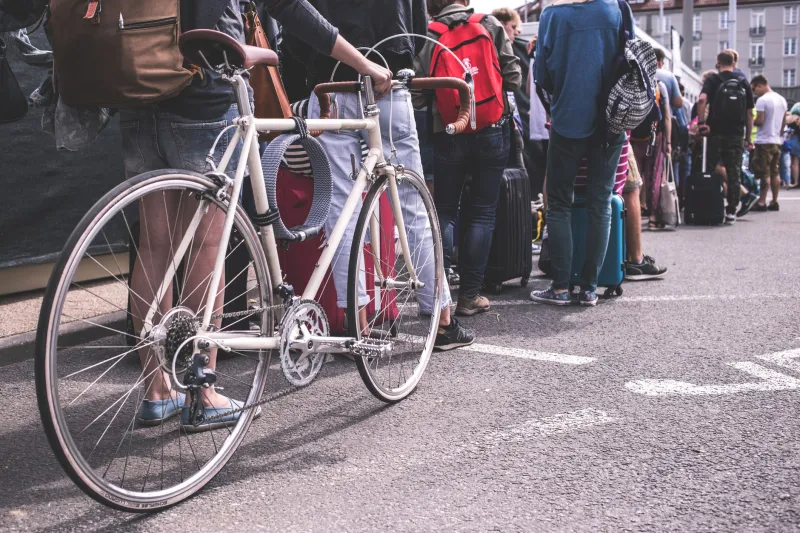
Back home in the States, waiting in line is basically a competitive sport. You scan for the fastest lane at the grocery store. You inch forward at Starbucks, phone in hand, already mentally halfway out the door. Waiting feels like losing — like time being stolen from you by forces beyond your control.
Then I moved to Yokohama, and everything I thought I knew about standing in line quietly fell apart.
The Line That Didn't Move (And Nobody Cared)
My first real encounter with Japanese queuing culture happened outside a ramen shop in Kannai on a Tuesday night. There were maybe twenty people ahead of me, standing in a near-perfect single-file line along the sidewalk. Nobody was on their phone scrolling aggressively. Nobody was sighing loudly or craning their neck to check how much longer. One woman was reading a small paperback. A couple stood close together, talking in low voices.
I waited for the collective groan that never came. Back home, a twenty-minute wait outside a restaurant would have produced at least three dramatic sighs and one person loudly announcing they'd "just find somewhere else." Here? Nothing. Just a calm, almost ceremonial patience.
The ramen, when I finally got it, was extraordinary. But honestly, so was the wait.
Unspoken Rules, Perfectly Kept
What strikes most Westerners about Japanese queuing isn't just the orderliness — it's how completely voluntary it all seems. There are no rope barriers. No aggressive signs telling you where to stand. At busy train platforms in Yokohama, you'll notice small painted arrows or footprint icons on the floor marking where lines should form, and people simply... form them. Without being told. Without anyone policing it.
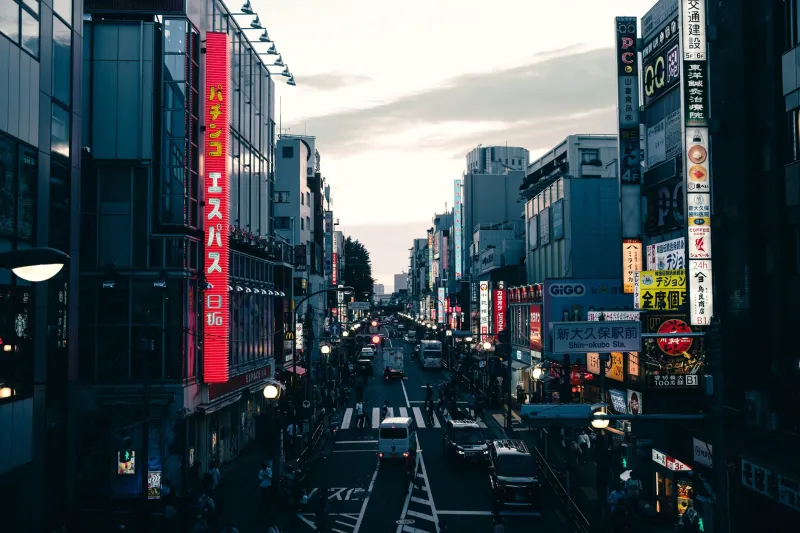
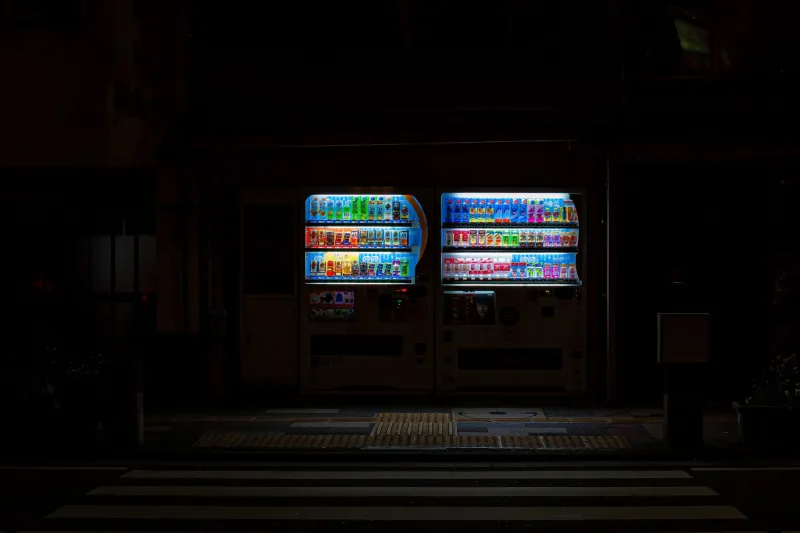
At konbini checkouts at 2 AM, at the ticket machines inside Yokohama Station during rush hour, outside popular bakeries in Motomachi on a Saturday morning — the line appears, organizes itself, and moves with this quiet, collective choreography that feels almost choreographed.
The social contract here is iron-clad but invisible. Cutting in line isn't just rude — it's a kind of social rupture that most people here seem genuinely unwilling to cause. There's a word in Japanese, meiwaku, that roughly translates to causing trouble or inconvenience to others. Queue-jumping is peak meiwaku. And in a culture where not burdening others is practically a civic virtue, that matters enormously.
Waiting as Participation, Not Punishment
Here's the reframe that changed things for me: in Japan, joining a line isn't a passive experience. It's a form of participation.
When you see a long queue snaking outside a shop in Yokohama's Chinatown or down the steps of a popular bakery in Motomachi, the line itself is information. It tells you something is worth your time. People trust the queue the way Americans trust a five-star Yelp rating — except the queue is live, human, and right in front of you.
There's also something deeply meditative about surrendering to a line when you stop fighting it mentally. I started noticing things I'd normally scroll past: the way afternoon light hit the shopfronts along Isezakicho, the sound of distant train announcements mixing with street noise, the smell of whatever was cooking inside the place I was waiting to enter. Waiting, when you stop resenting it, becomes a kind of enforced presence.
This is not a small thing in 2024, when every app, every notification, every algorithm is engineered to make sure you're never just standing somewhere doing nothing.
Theme Parks, Midnight Convenience Stores, and the Full Spectrum of the Queue
The range of places where Japanese queuing culture shows up is almost comic in its consistency. Yokohama's Cosmoworld amusement park on a weekend? Orderly lines, no chaos. The 7-Eleven near my apartment at midnight when a new seasonal item dropped? Organized single file. A pop-up food stall during the Yokohama Red Brick Warehouse holiday market? Same energy.
I once watched a line of about forty people wait patiently for a limited-edition strawberry cream puff. Forty people. For a cream puff. And the line moved steadily, people shuffled forward without drama, and when the puffs sold out — right in front of the last three people in line — those three people simply nodded, turned around, and walked away without a scene.
I genuinely don't know if I could have done that.
What Americans Might Actually Learn From This
I'm not here to romanticize Japan or pretend everything about queuing culture is without its pressures. The same social expectations that make lines so orderly can also create a kind of rigid conformity that's exhausting in other contexts. Japan has its own complicated relationship with rules, hierarchy, and the anxiety of not fitting in.
But the specific lesson of the queue feels genuinely transferable, even back home.
The American instinct to treat waiting as wasted time is costing us something. We've built our entire consumer culture around the elimination of friction — two-day shipping, drive-throughs, self-checkout, skip-the-line passes. And yet somehow, we're more stressed and more impatient than ever. The friction we've engineered away was also, occasionally, a chance to breathe.
Waiting in line in Yokohama taught me that patience isn't just a personality trait some people are born with. It's a practiced skill. A cultural habit. Something you can get better at when the environment around you stops treating every second of stillness as a problem to be solved.
The Queue as a Mirror
There's a version of you that exists only in the spaces between things — the commute, the wait, the pause before the next thing starts. In the US, we've gotten very good at filling those spaces with noise. Japan, at least in its queuing culture, seems to have made a different choice.
I'm not going to pretend I've become a zen master of waiting. I still check my phone too much. I still feel that low hum of impatience when a line isn't moving. But something shifted in me after enough Tuesday nights outside ramen shops and enough weekend mornings in slow-moving bakery queues.
The line will move. The food will come. And the twenty minutes you spent standing on a Yokohama sidewalk, actually present in your own life, might turn out to be the best part of the whole afternoon.