Cherry Blossoms, Pumpkin Lattes, and Pure Chaos: Inside Japan's Seasonal Limited-Edition Obsession
The Konbini Shelf Doesn't Lie
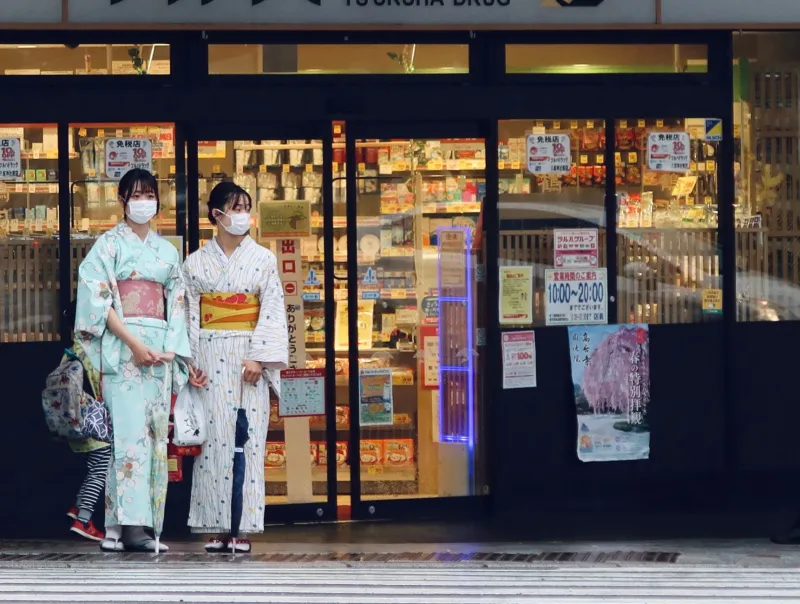
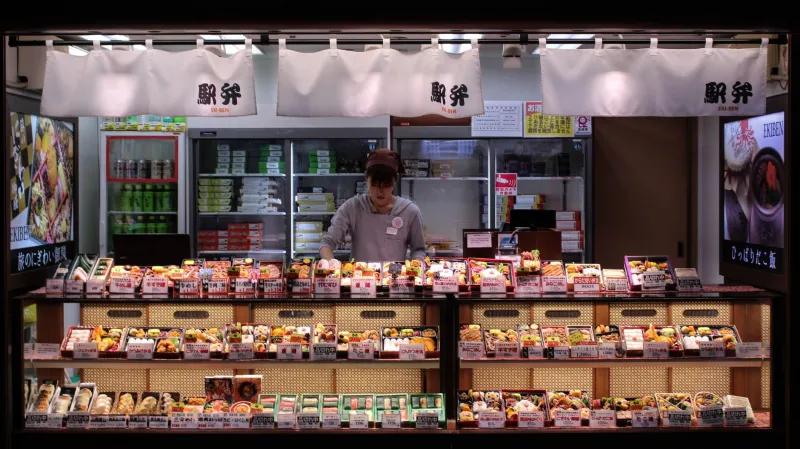
You can tell what season it is in Yokohama without checking a calendar. Just walk into any convenience store.
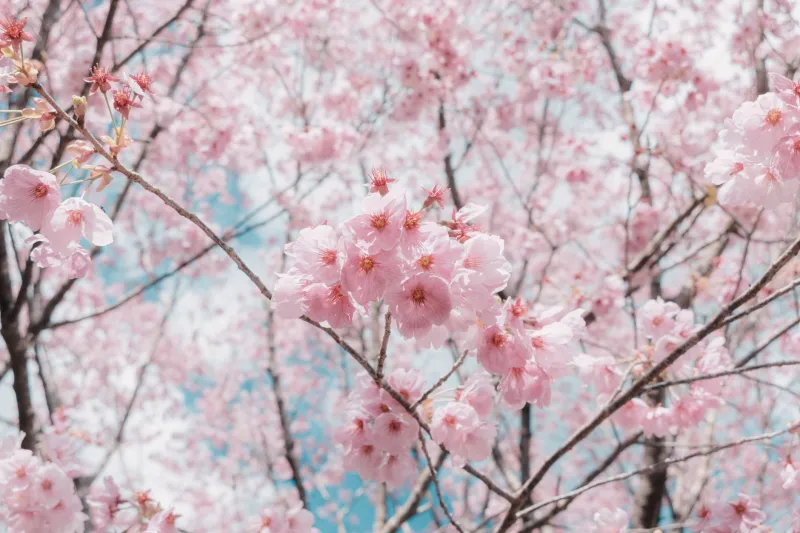
In late March, the shelves erupt in sakura pink — cherry blossom Kit Kats, strawberry-and-cream onigiri, sakura-flavored Pocky that somehow manages to taste exactly like the idea of spring. By October, everything pivots to sweet potato, chestnut, and pumpkin in shades of amber and burgundy. Come winter, yuzu and matcha take over, and somewhere in the middle of summer you'll find yourself holding a melon-cream soda that exists for approximately six weeks and then vanishes completely.
This is kisetsu gentei — seasonal limited editions — and in Japan, it is not a marketing gimmick. It is a way of life.
Why "Limited" Means Something Different Here
American retail has its own version of seasonal drops, of course. Starbucks' Pumpkin Spice Latte has become a cultural event in its own right, and fast food chains have mastered the art of the McRib-style return. But the scale and sincerity of Japan's seasonal product culture operates on a genuinely different level.
In the US, limited editions are primarily a sales mechanism — scarcity drives urgency, urgency drives purchase. The emotion being targeted is mostly FOMO. In Japan, the seasonal release cycle plugs into something older and more rooted: the concept of mono no aware, the bittersweet appreciation of transience. Things are beautiful partly because they don't last. The cherry blossom latte isn't just a drink. It's a small, drinkable acknowledgment that spring is here and won't stay.
That's a meaningfully different emotional architecture, and it changes how people relate to the products entirely.
The Haul as Social Currency
Walk through Yokohama's Kannai neighborhood or down the shopping streets near Sakuragi-cho station in early spring, and you'll see it in action. People photograph their seasonal hauls with genuine enthusiasm — not performatively for Instagram, but the way you'd show a friend something that genuinely delighted you. Group chats light up. Colleagues bring seasonal snacks to share at the office. Finding a particularly elusive limited edition — a regional flavor available only at certain stores, or a collaboration between two beloved brands — carries real social weight.
Kaori, a 28-year-old office worker I met near Chinatown, described the seasonal release cycle as "a shared calendar that everyone participates in."
"When the autumn sweet potato things come out, it's almost like a signal," she said. "Everyone starts talking about it. You bring some to work. It's a way of saying — okay, the season changed. We're all in it together."
That communal dimension is something American seasonal marketing rarely achieves at the same depth. A Pumpkin Spice Latte is personal. A seasonal konbini haul in Yokohama is social.
The Brands That Get It Right
Some companies have built their entire identity around seasonal mastery. Kit Kat Japan is the most internationally famous example — with over 300 flavors released across its history, many of them seasonal or regional, it has transformed a fairly ordinary chocolate bar into a collector's item and a cultural touchstone. Häagen-Dazs Japan releases seasonal flavors that regularly trend on social media. Even convenience store chains like Lawson and FamilyMart treat their seasonal menus as genuine editorial moments, with new items rolling out in coordinated waves that feel closer to a fashion collection than a grocery restock.
The photography is worth pausing on, too. Seasonal packaging in Japan tends to be genuinely beautiful — hand-illustrated cherry blossoms, woodblock-print-inspired autumn leaves, minimalist winter motifs. The product is designed to be appreciated as an object, not just consumed and discarded. That attention to aesthetics makes the experience of buying a seasonal snack feel slightly ceremonial, which reinforces the emotional investment.
Scarcity That Actually Ends
Here's the part that separates Japan's model from most Western imitations: the stuff actually goes away.
American "limited editions" have a habit of quietly becoming permanent once they prove popular enough. The scarcity is often theoretical. In Japan, when the season ends, the products disappear — sometimes abruptly. There's a real deadline baked into the experience, and that deadline is enforced. This creates a kind of seasonal urgency that feels earned rather than manufactured, because the consequence of missing it is real.
It also means that each season's return carries genuine anticipation. The first sakura Kit Kat of spring isn't just a snack. It's a reunion.
What Americans Can Actually Take From This
The irony is that Japan's seasonal product culture, while undeniably commercial, functions as a kind of antidote to the relentless sameness of year-round availability that defines American retail. When everything is always available, nothing feels special. When something is only here for six weeks, paying attention to it becomes almost a form of mindfulness.
There's a lesson in that for how we relate to consumption more broadly. Not buying more — but buying with more awareness of time, season, and context. The konbini shelf in Yokohama changes with the world outside the window. That alignment, simple as it sounds, makes the act of picking up a seasonal snack feel connected to something larger than the transaction itself.
And if that sounds like a lot of philosophical weight to place on a cherry blossom-flavored Pocky — well, yes. But that's also kind of the point. In Japan, even the small things carry meaning. The season is always in the details.